Botanical Shop offers premium botanical products and ethnobotanical specimens sourced with a focus on quality, authenticity, and responsible sourcing.
welcome to our store
Our Success Story
Botanical Shop offers premium botanical products and ethnobotanical specimens sourced with a focus on quality, authenticity, and responsible sourcing.What began with a commitment to responsibly sourcing high-quality Mimosa Hostilis (MHRB), San Pedro Cactus, Acacia Confusa, Salvia Divinorum, and other ethnobotanical specimens has grown into a dedicated botanical store serving collectors, researchers, artisans, and plant enthusiasts.We work with carefully selected growers and suppliers, with a strong focus on quality, authenticity, responsible sourcing, and careful handling. Every botanical is selected with attention to its identity, origin, condition, and overall quality so our customers can shop with confidence.From distinctive cactus specimens to naturally sourced bark, leaves, and other botanical materials, our goal is simple: to make authentic botanical products accessible while respecting the plants, the people who cultivate them, and the traditions surrounding them.Today, Botanical Shop represents our commitment to quality, transparency, and a deeper appreciation of the remarkable diversity of the plant kingdom.
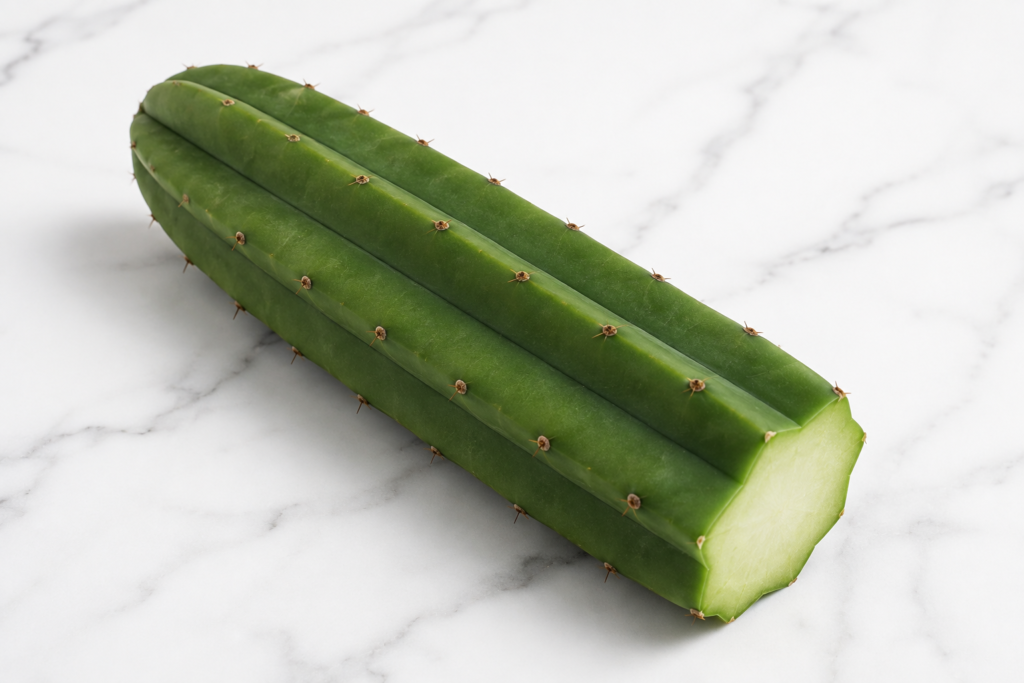
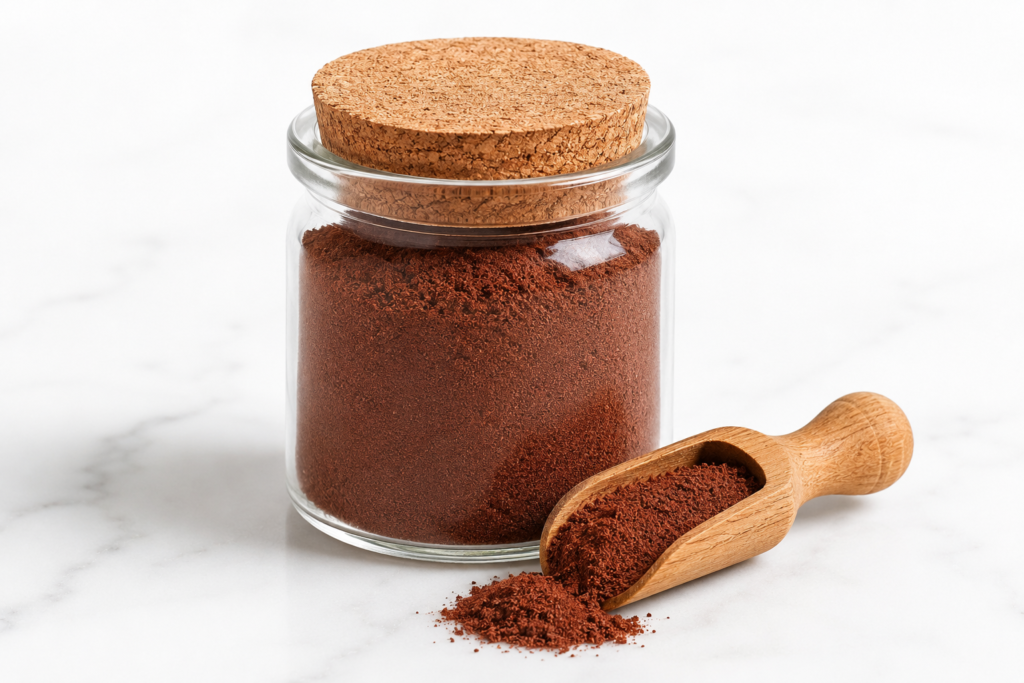
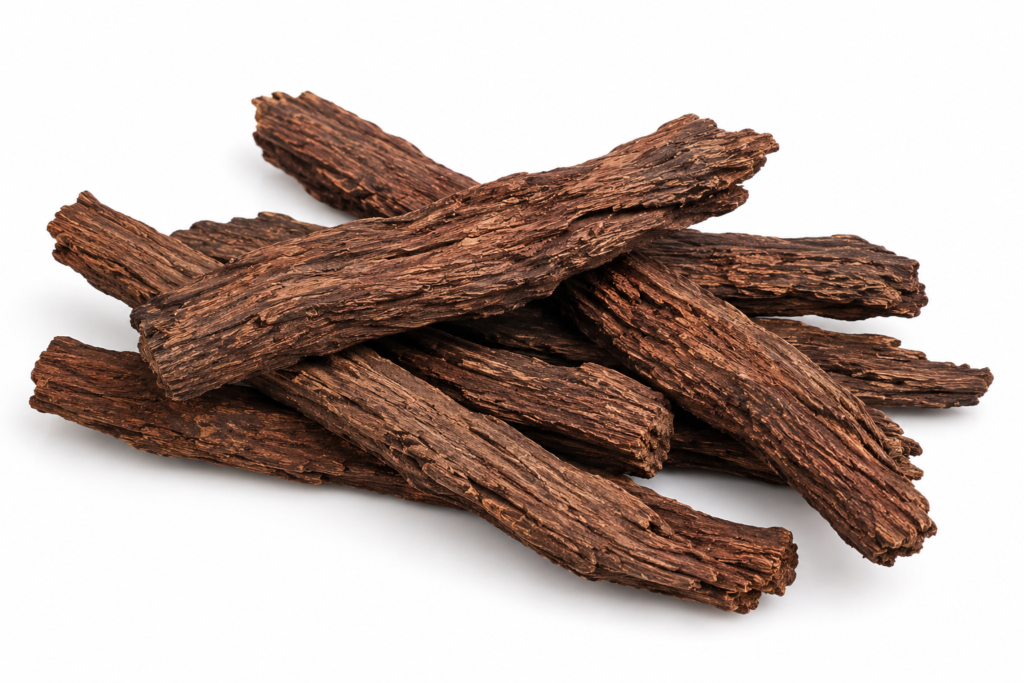
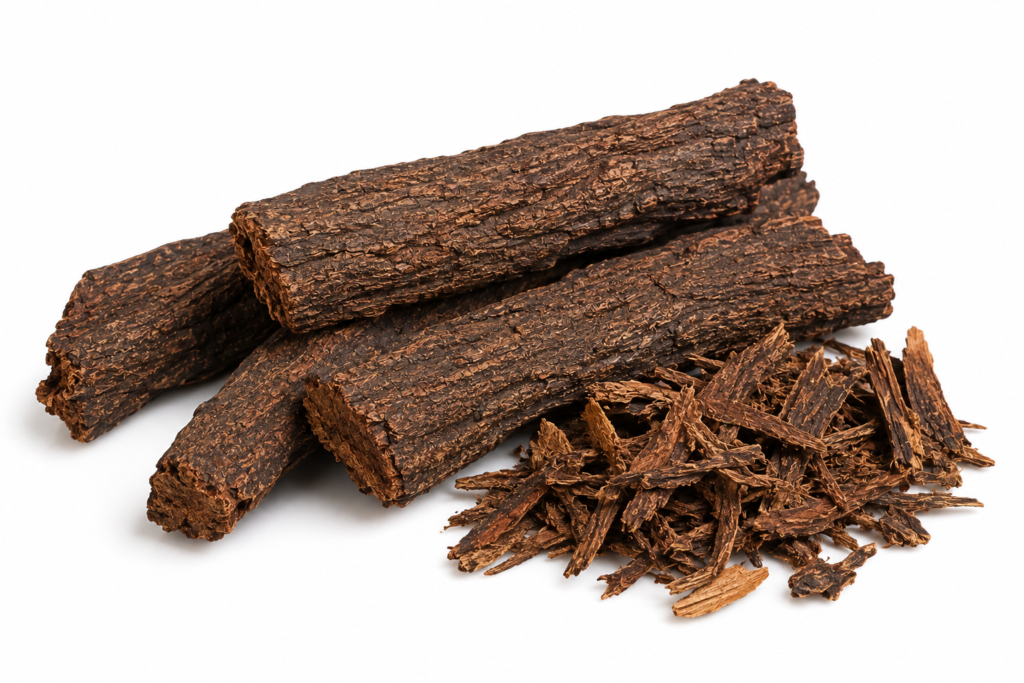
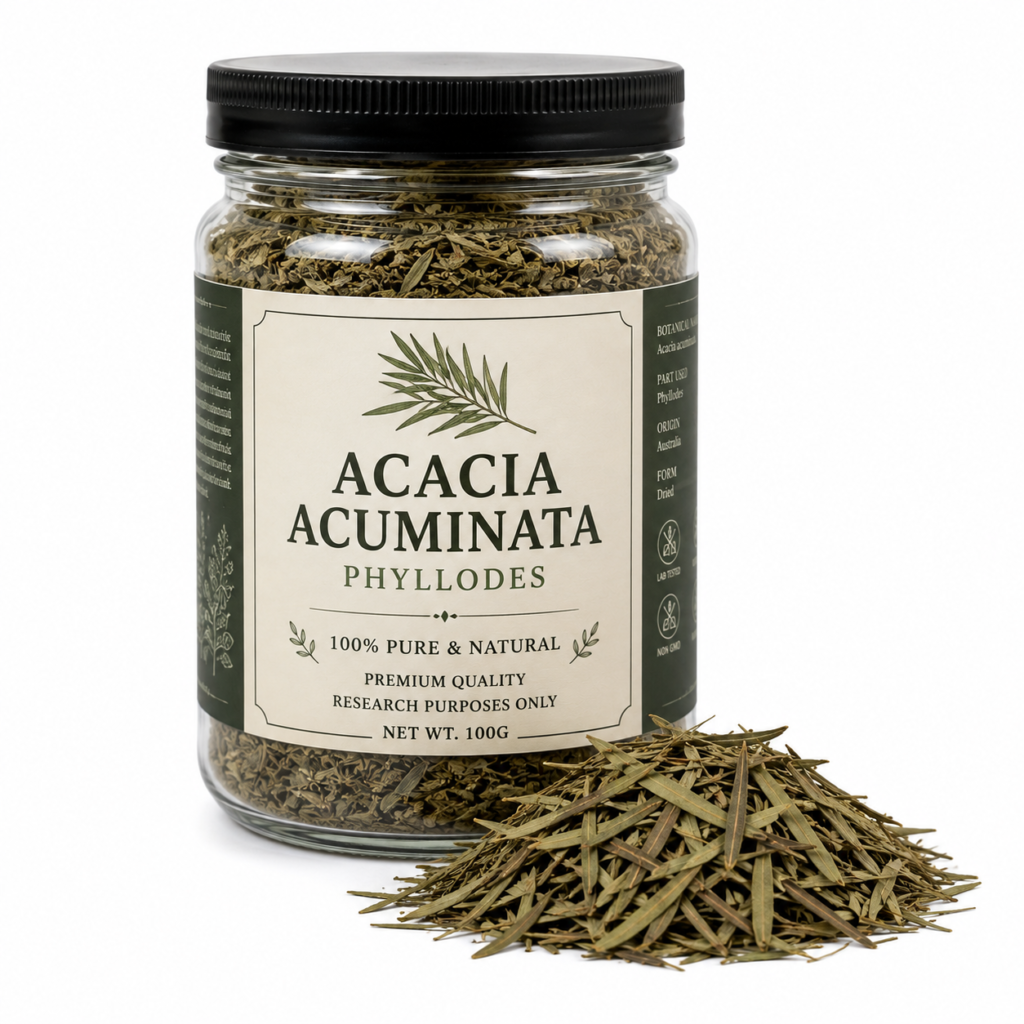
We offer a carefully selected range of botanical products for collectors, researchers, plant enthusiasts, artisans, and educational purposes. Our collection includes San Pedro Cactus, Mimosa Hostilis Root Bark, Acacia Confusa, Acacia acuminata phyllodes, Peruvian Torch Cactus, Salvia Divinorum, and other ethnobotanical materials.
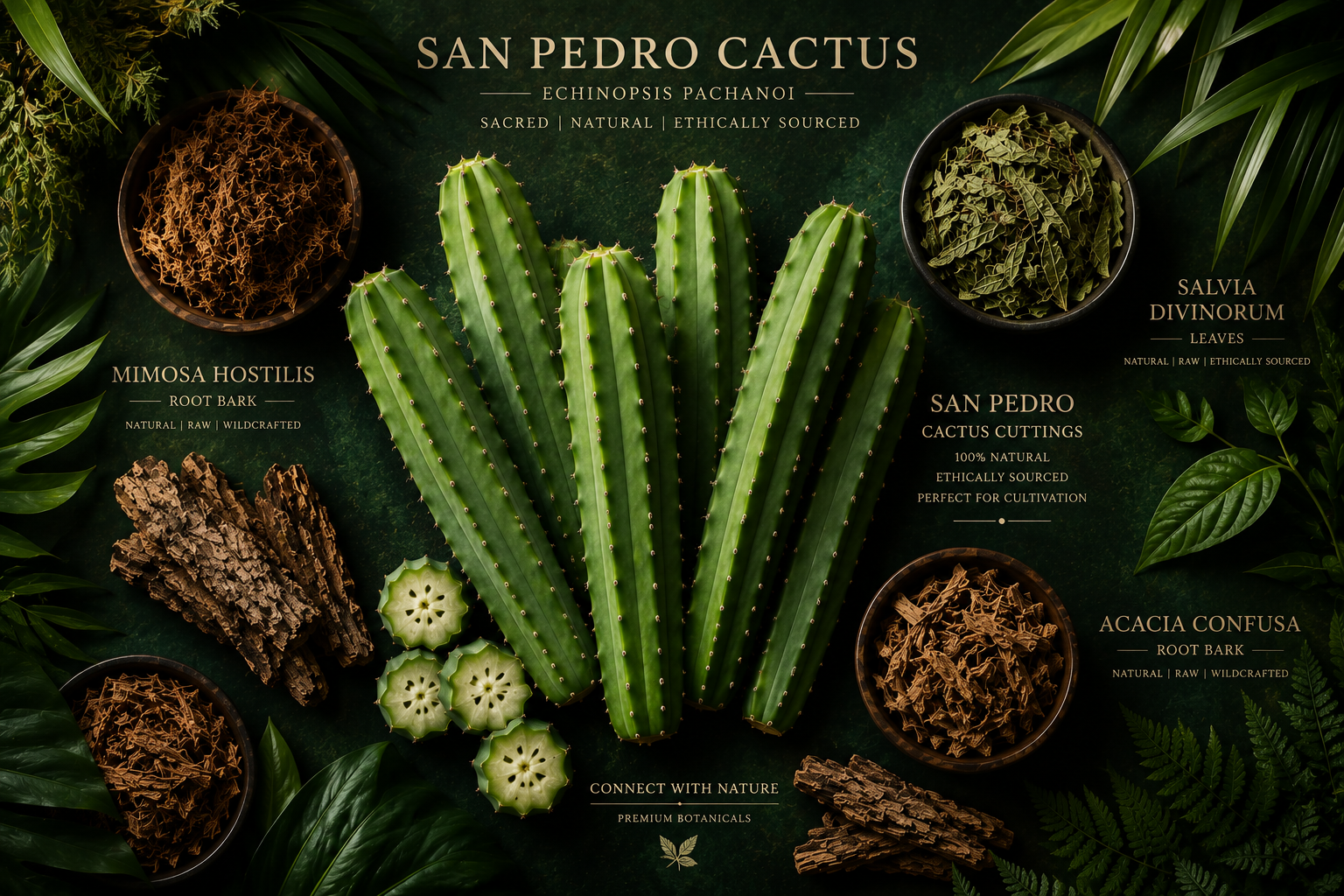
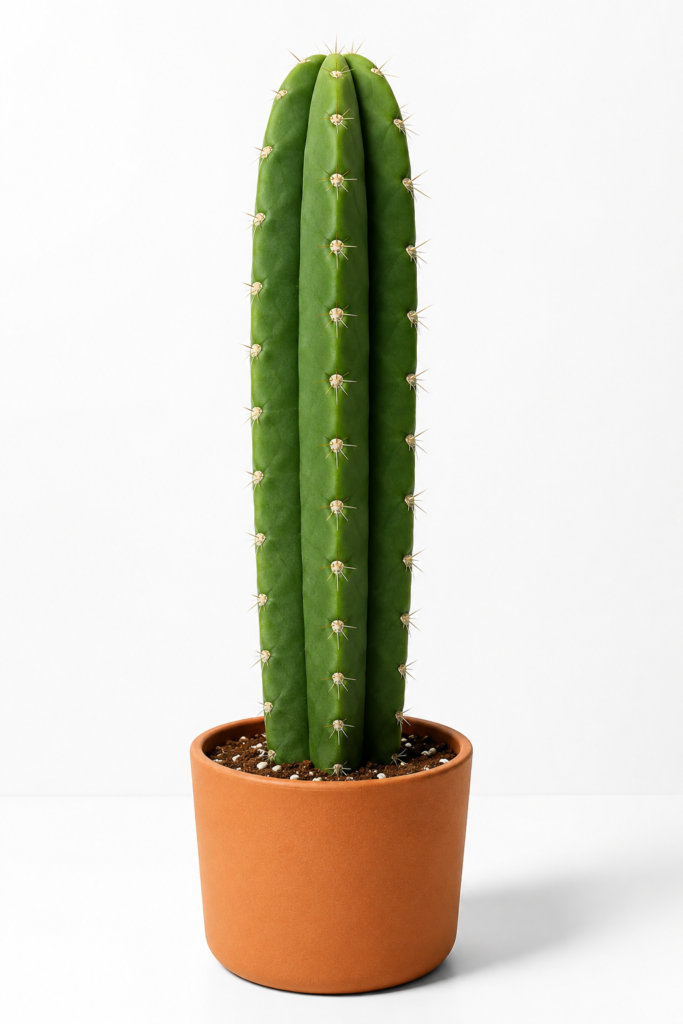
San Pedro Cactus, scientifically known as Trichocereus pachanoi or Echinopsis pachanoi, is a columnar cactus native to the high-altitude Andes Mountains of Peru, Ecuador, Bolivia, and Argentina. Indigenous Andean cultures have used this remarkable plant for thousands of years for healing, ceremony, and spiritual practices. Archaeological evidence traces its use back to the Chavín civilization over 3,000 years ago.This cactus grows tall and ribbed, reaching heights of up to 20 feet. Small yellowish spines adorn its vibrant green skin. Its resilience and rapid growth make it one of the easiest columnar cacti to cultivate, and it propagates readily from cuttings for sustainable harvesting.Traditionally known as Huachuma, San Pedro has been revered as a sacred plant teacher. Shamans have incorporated it into rituals for physical and emotional healing — a tradition that continues today in Andean communities. Beyond its ceremonial significance, the cactus has been used in folk medicine for ailments such as inflammation, skin conditions, and digestive complaints.At Botanical Shop, we source our San Pedro cactus ethically from trusted cultivators who practice responsible harvesting methods. This ensures both quality and sustainability for future generations.
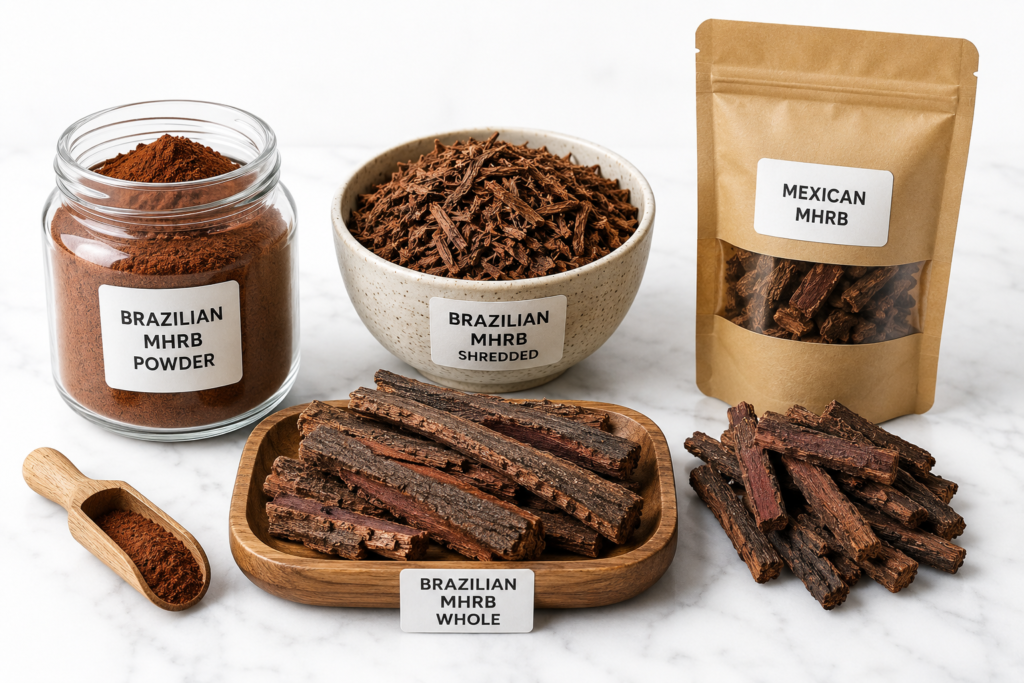
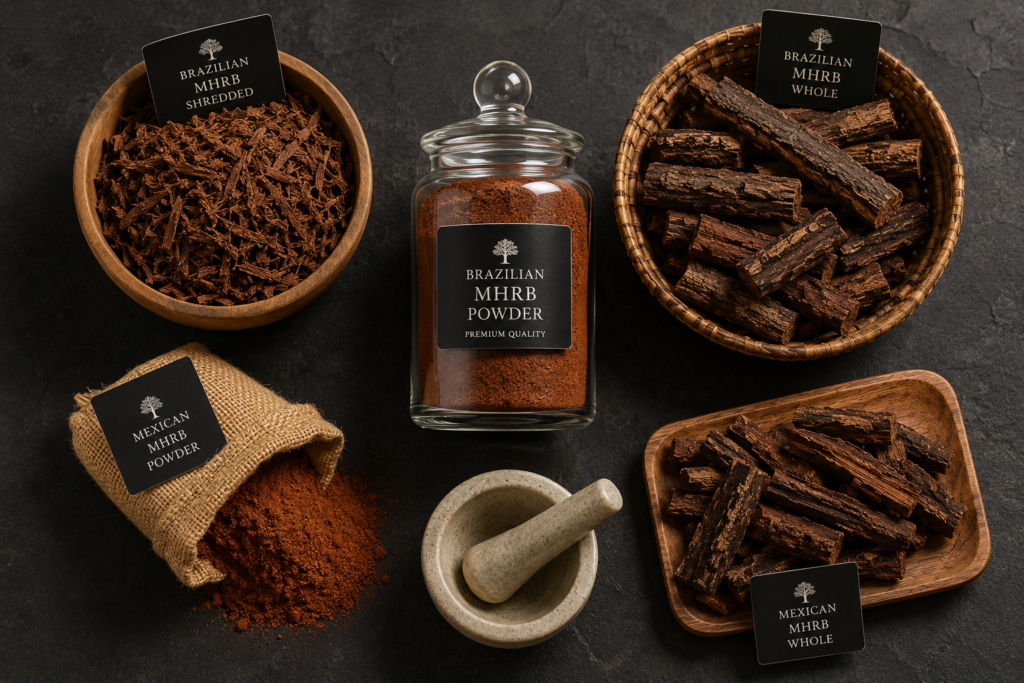
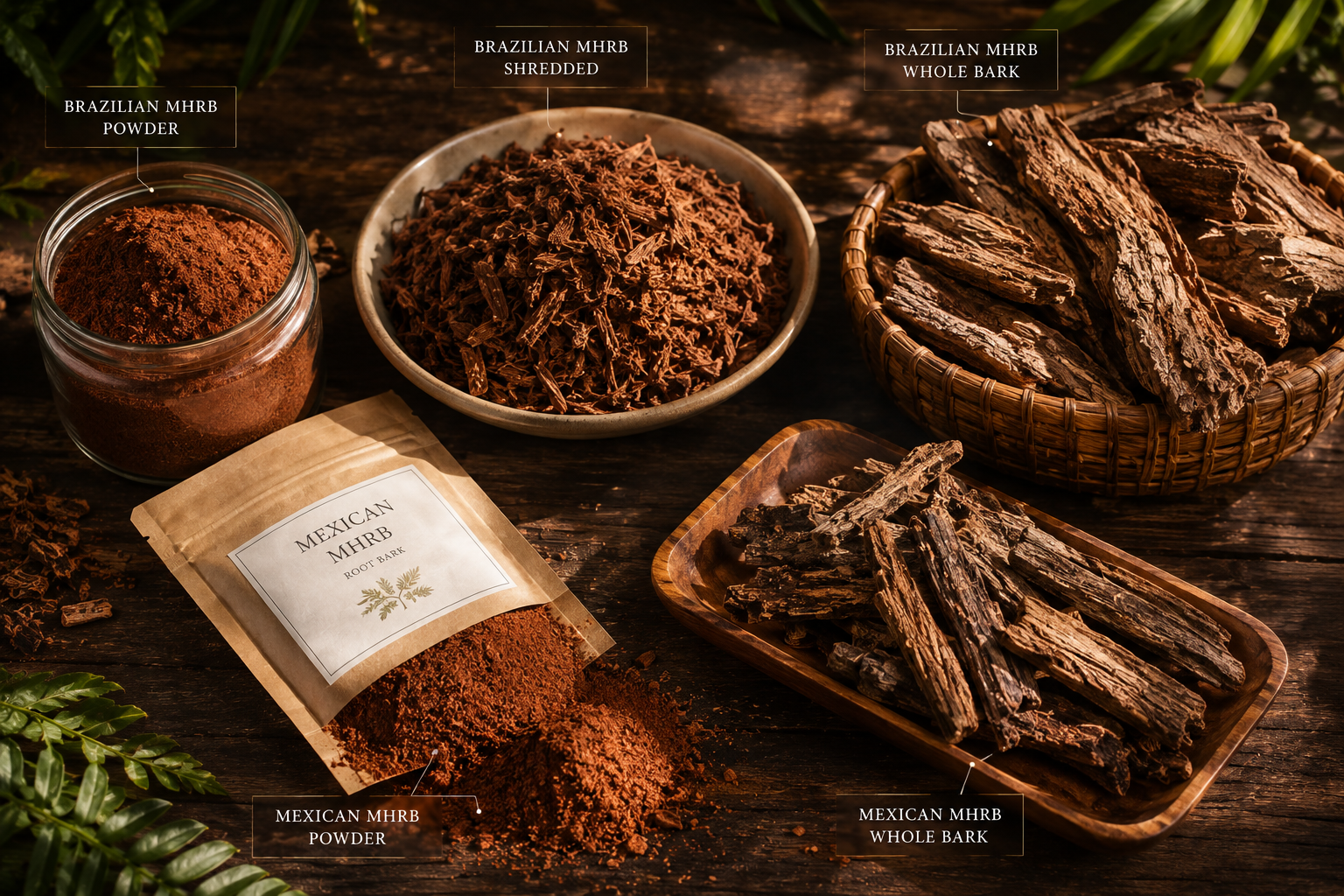
Mimosa Hostilis, also known as Mimosa tenuiflora, is a perennial tree native to the tropical forests of Brazil, Mexico, and other regions of South and Central America.Indigenous communities have valued this remarkable tree for centuries for its diverse applications — from traditional medicine and ceremonial use to natural dyeing and skincare. They prize the root bark of Mimosa Hostilis, often referred to as MHRB, for its unique properties.Our Brazilian Mimosa Hostilis Powder represents our most finely processed form. We create it by carefully grinding the inner root bark into a consistent, fine powder. This powder is rich in color and texture, making it convenient for various applications.Our Mexican Mimosa Hostilis Whole Root Bark offers customers an alternative regional variety. We source this whole bark from Mexico, and it shares the same exceptional quality while reflecting the unique characteristics of its specific origin.In traditional folk medicine, particularly in Mexico, Mimosa Hostilis root bark has been used to support skin health and assist with various skin conditions under its local name Tepezcohuite.At Botanical Shop, we prioritize ethical sourcing and strict quality control. We carefully select our MHRB varieties from trusted suppliers who practice sustainable harvesting methods. We thoroughly inspect each batch for purity and authenticity, ensuring you receive only the finest premium specimens. Whether you are a researcher, artisan, or botanical enthusiast, Botanical Shop offers authentic Mimosa Hostilis root bark you can trust.
All orders are dispatched directly from our US-based facility. We offer a variety of secure payment options for your convenience and are committed to environmentally responsible practices at every stage of our operations from sourcing and packaging to shipping and delivery.
Every order is shipped with complimentary tracking included. Your package arrives in discreet, tamper-proof packaging to ensure both privacy and security. All orders are processed and dispatched within 24 hours, Monday through Saturday.
We offer 100% satisfaction, easy hassle-free returns, and never charge restocking fees.
Every product at Botanical Shop is ethically sourced from trusted growers who practice responsible harvesting. Our entire range is 100% natural, with no artificial additives, chemicals, preservatives, or synthetic fillers — just pure, authentic botanical specimens as nature intended.

Explore our collection of botanical products, including San Pedro Cactus, Mimosa Hostilis Root Bark, Acacia Confusa, and other naturally sourced plant materials.
All orders ship from our US-based facility — already cleared through customs and ready for immediate dispatch. No international delays, no customs uncertainty, no hidden surprises. Your order arrives fast and hassle-free.
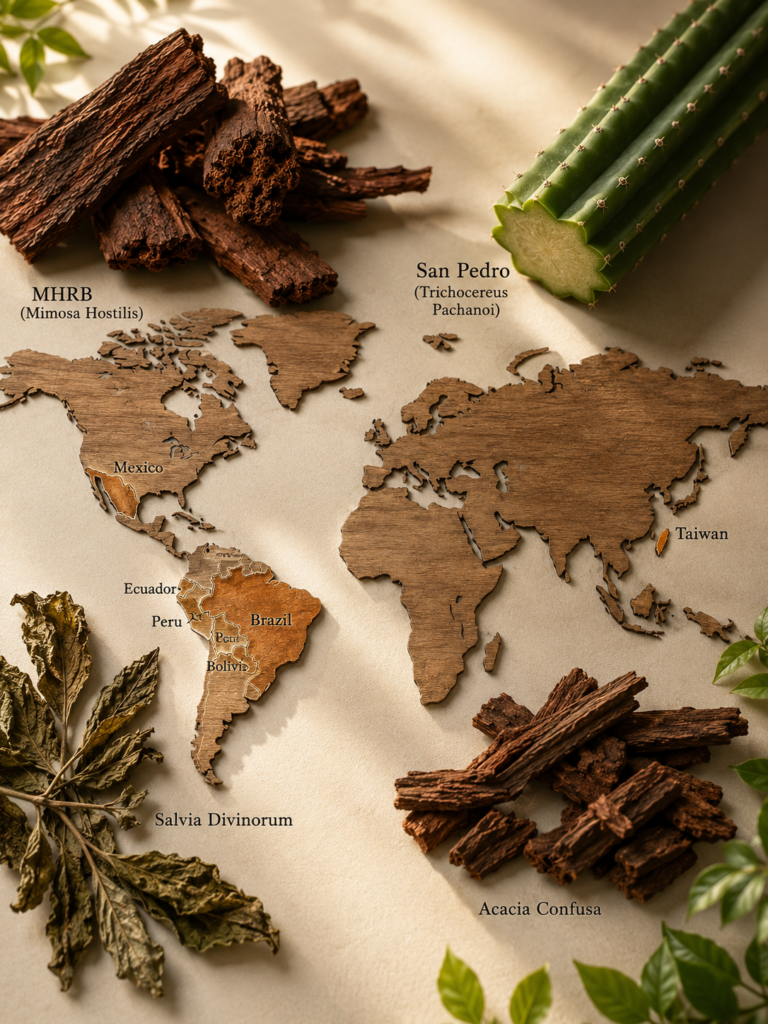
We source directly from trusted growers in the native regions of each botanical specimen:
MHRB (Mimosa Hostilis Root Bark) — harvested from northeastern Brazil and Chiapas, Mexico, where the tree grows abundantly
San Pedro Cactus (Trichocereus pachanoi) — cultivated in the high-altitude Andes of Peru, Ecuador, Bolivia, and Argentina
Salvia Divinorum — sourced from the Sierra Mazateca region of Oaxaca, Mexico
Acacia Confusa — harvested from Taiwan and Southeast Asia
Peruvian Torch Cactus (Echinopsis peruviana) — sourced from the Andes of Peru
We specify only the highest-quality plant material. For MHRB, that means inner root bark exclusively — the richest, most dye-rich portion. For San Pedro and Peruvian Torch, we select mature, healthy specimens with optimal characteristics. For Salvia, we choose only the finest leaves. No fillers, no substitutes.
Every batch is documented from source to shipment. Wholesale and commercial buyers can request complete provenance documentation — we know exactly where each specimen came from, and we can prove it. Transparency you can trust.
We maintain substantial inventory at our US facility so your research, production, or collection schedule never depends on our import timeline. When you need it, we ship it — no backorders, no delays.
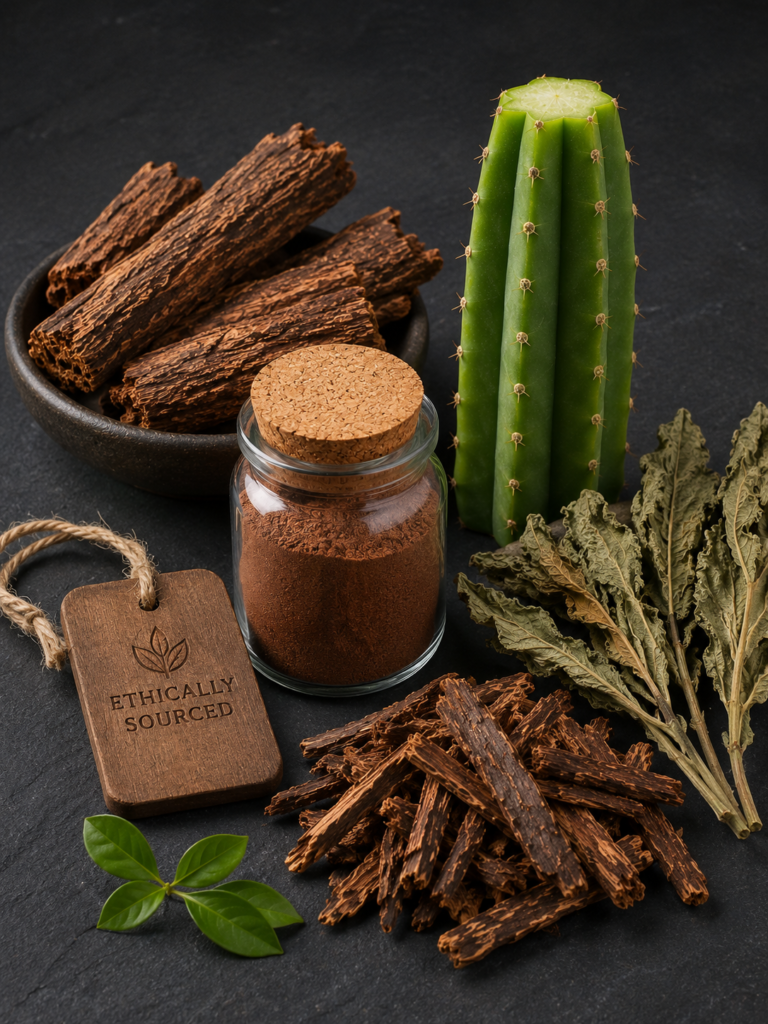
Our range of botanical products is also suitable for educational, reference, collecting, and research purposes where lawful.
At Botanical Shop, we understand the importance of accurate botanical identification. Our specimens are sourced with reference to established botanical authentication standards, including those recognized by organizations such as the American Herbal Pharmacopoeia and the U.S. Pharmacopeia . These institutions provide comprehensive reference materials and identity testing procedures that ensure botanical specimens meet rigorous quality standards
Scientific studies on herbal products emphasize the importance of quality control, proper identification, and purity testing . Research has consistently shown that botanical products should be tested for authenticity and purity to ensure they meet quality standards . Our commitment to providing premium-grade specimens aligns with these research-backed quality principles.
The traditional uses of Mimosa Hostilis (Tepezcohuite) and San Pedro Cactus (Huachuma) are well-documented in ethnobotanical research . Ethnobotanical databases and scientific literature document the applications of medicinal plants from Brazil's rich flora and the Andes region, preserving indigenous knowledge that has been passed down through generations
We support the broader botanical research community by providing authentic specimens for educational and research purposes. Botanical gardens and research institutions worldwide rely on accurately identified plant materials for their study and conservation programs
American Herbal Pharmacopoeia – Botanical Reference Materials and Quality Standards
U.S. Pharmacopeia – Botanical Reference Standards and Identity Testing
Ethnobotanical Research Databases and Literature on Medicinal Flora of Brazil and the Andes




Browse some of our most popular botanical products.
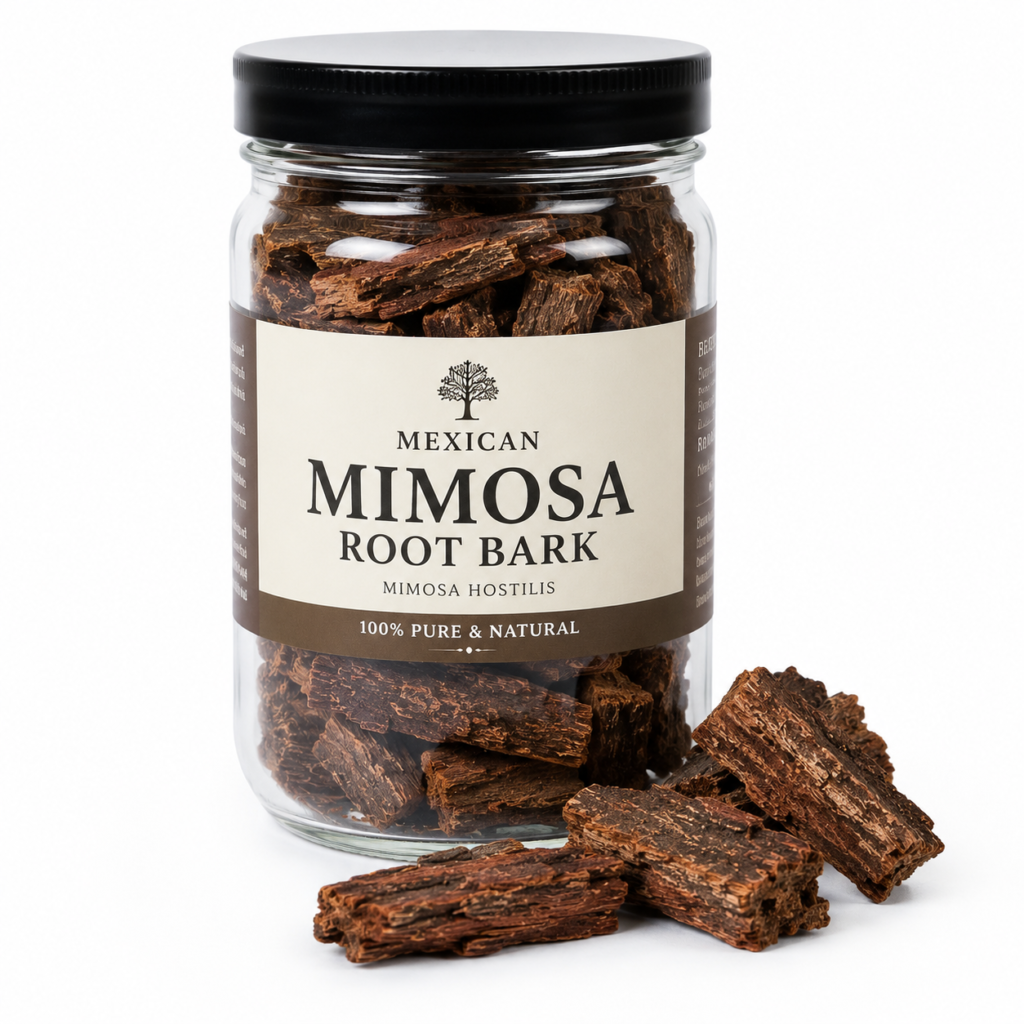
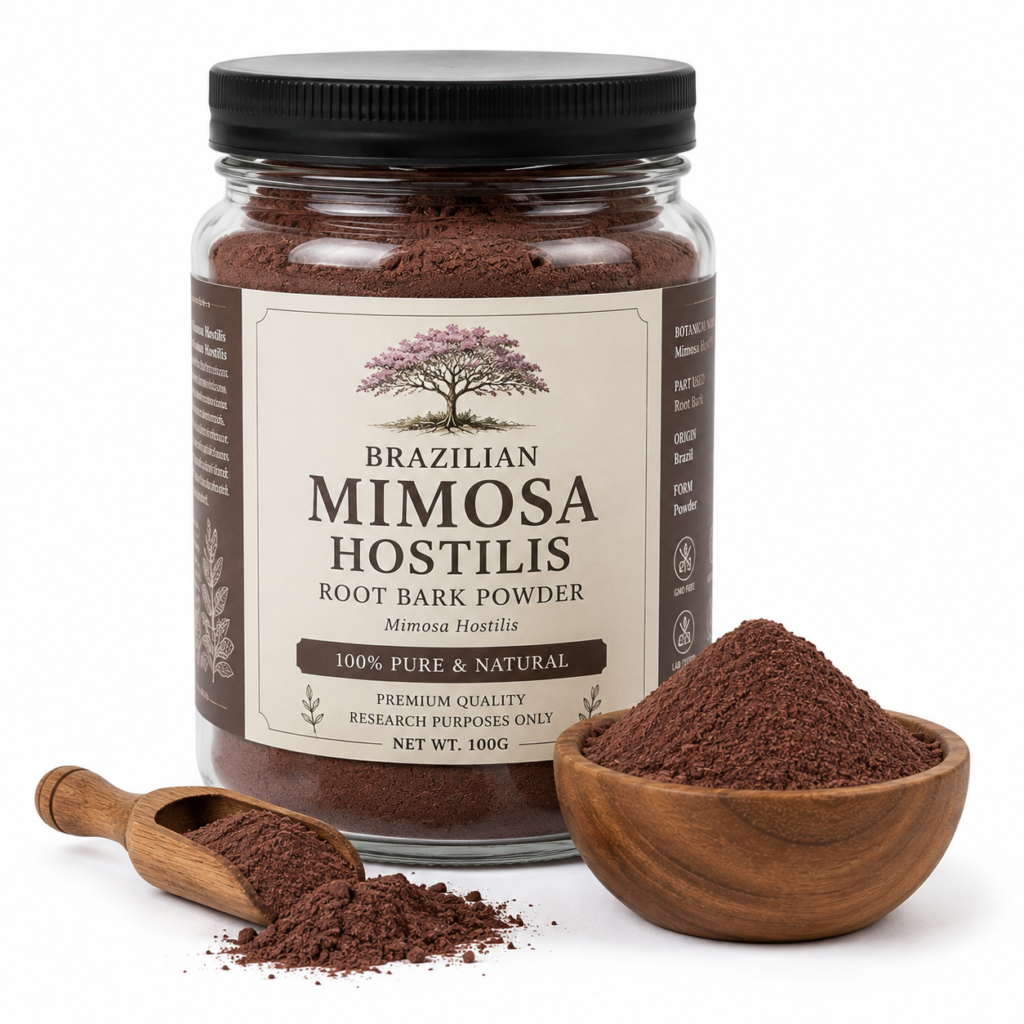
Mimosa Hostilis, also known scientifically as Mimosa tenuiflora, is a perennial tree or shrub native to the northeastern region of Brazil and found as far north as southern Mexico, including Oaxaca and the coast of Chiapas. It belongs to the Fabaceae family and is also known by various regional names including Jurema Preta, Tepezcohuite, and Calumbi.This tree adapts well to dry climates. It possesses small, alternating compound leaves and thorns, demonstrates remarkable resistance to drought, and regrows throughout the year. It most often occurs at lower altitudes but grows at elevations up to 1,000 meters (3,300 feet).The inner root bark of Mimosa Hostilis is the most prized part of the plant. It features a rich reddish-brown color and fibrous texture. The bark contains a significant concentration of tannins (approximately 16%), making it widely used as a natural dye and in leather production. Its dye-rich properties make it valuable for coloring fabrics, natural fibers, and artisan projects.Beyond its practical applications, Mimosa Hostilis root bark has a long history of traditional use. In Mexico, it is known as Tepezcohuite and has been used for decades to support skin health. The bark has also become a popular ingredient in commercial skincare products. In northeastern Brazil, indigenous groups use the plant in traditional religious ceremonies, where they know it as Jurema.This tree also plays an important ecological role. It provides a valuable source of forage for livestock and bees, especially during the dry season, and contributes to soil fertility through nitrogen-fixing bacteria. Its wood is excellent for fuel, fencing, and construction due to its rot-resistant properties.
Acacia is a large genus of shrubs and trees in the subfamily Mimosoideae of the pea family Fabaceae. It comprises approximately 160 species native to tropical and subtropical regions worldwide. The genus grows particularly abundantly in Australia and Africa, where people commonly know these species as wattles.Acacias feature distinctive leaves that take the form of small, finely divided leaflets, giving them a feathery or fernlike appearance. In many Australian and Pacific species, the leaflets are suppressed or absent, and the leafstalks (petioles) flatten to perform the physiological functions of leaves. The flowers are typically small, often fragrant, and arranged in compact globular or cylindrical clusters, usually yellow but occasionally white, with many stamens giving them a fuzzy appearance. The fruits are legumes and vary widely in appearance depending on the species.The bark of most Acacia species is rich in tannin, making them valuable for use in tanning, natural dyes, inks, and various other products. Several Australian acacias, including the golden wattle and silver wattle, are important sources of tannin. Some species also produce valuable timber, such as the Australian blackwood.Acacia species have a wide range of practical applications. Gum arabic, a well-known product derived from Acacia senegal, is used extensively in adhesives, pharmaceuticals, inks, and food products. Various Acacia species yield gums used in diverse industries, including confectionery and traditional medicine. The seeds and shoots of certain species are also used in culinary applications in countries like Myanmar, Laos, and Thailand.
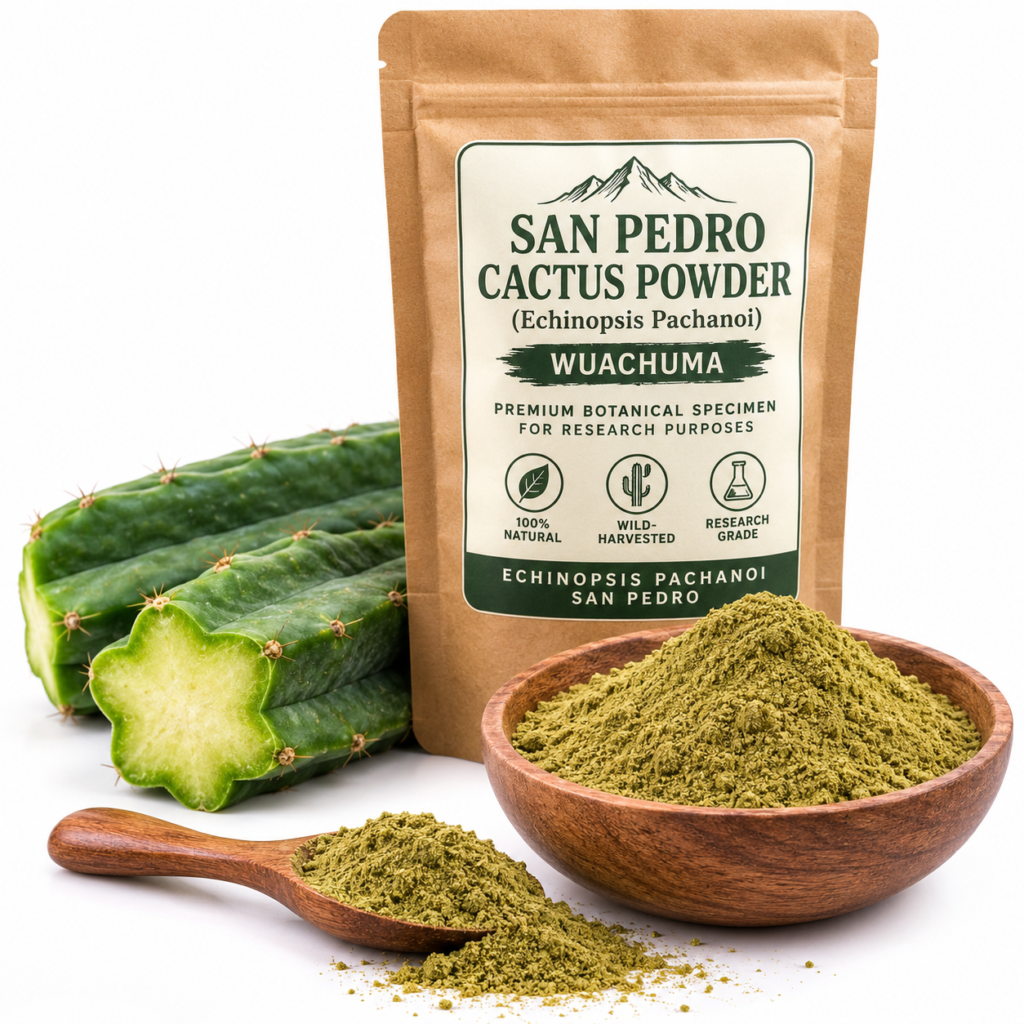
San Pedro Cactus, scientifically classified as Trichocereus pachanoi or Echinopsis pachanoi, is a fast-growing columnar cactus indigenous to the Andes Mountains of Peru and Ecuador. It belongs to the Cactaceae family.This cactus features tall, blue-green stems with 6 to 8 prominent vertical ribs and spaced areoles that produce up to seven spines of yellowish to brown color. It can grow up to 6 meters (approximately 20 feet) tall with multiple branches, and it produces highly fragrant, white nocturnal flowers. The plant requires relatively low maintenance, thrives in full sunlight with well-drained soil, and tolerates drought exceptionally well. It can live for over 100 years under ideal conditions.Native Andean civilizations have valued San Pedro for thousands of years for its ceremonial and healing properties. The plant contains a variety of alkaloids, the most notable being mescaline, which researchers have studied for its psychoactive properties. Other alkaloids present include 4-hydroxy-3-methoxyphenethylamine, 3,4-dimethoxyphenethylamine, anhalonidine, and hordenine.Beyond its ethnobotanical significance, researchers have investigated San Pedro cactus for potential medicinal properties, including analgesic, anti-inflammatory, and antibacterial characteristics. Research has also explored its potential in treating addiction and psychiatric disorders, highlighting the complex and multifaceted nature of this remarkable cactus.